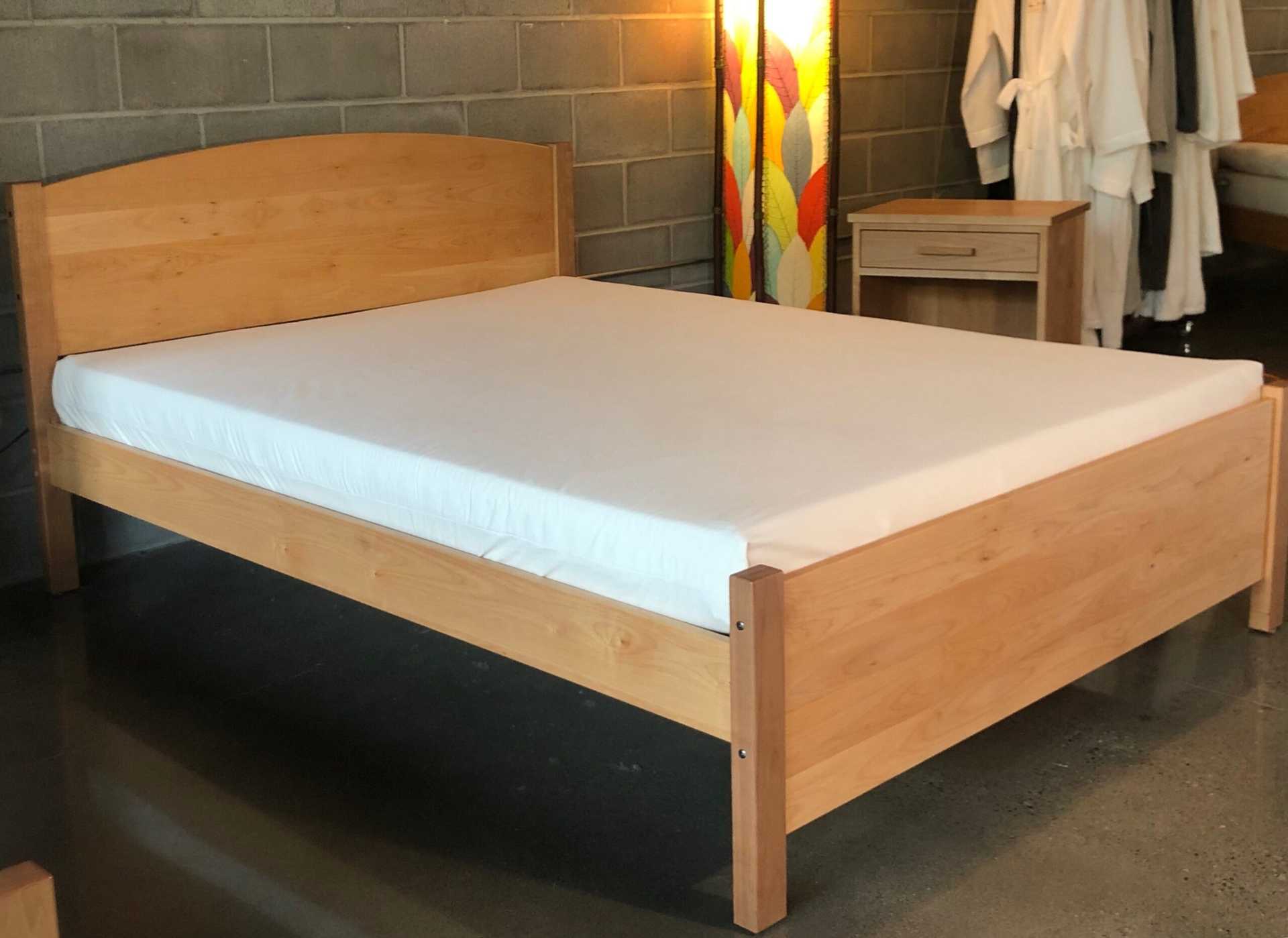
Blankets are versatile bedding layers used for warmth, comfort, and adaptable temperature management. They may be placed over sheets, folded at the foot of a bed, or used as an additional layer when room conditions change. Material, weight, weave, and size influence how a blanket feels and how it functions alongside pillows and other bedding.
Natural-fiber blankets can offer distinct characteristics depending on their construction. Cotton is generally breathable and familiar in everyday bedding, while wool is valued for warmth and its ability to help regulate temperature. Fiber thickness, weave density, and finishing also affect softness, drape, and insulation, so these details help explain how a blanket may suit different climates and sleep preferences.
Blankets are part of a broader sleep setup that can include sheets, pillows, and organic mattresses. The Organic Mattress - Latex 6.5" features a latex-based sleep surface, while the Natural Wool & Latex Mattress 6.5 Inch combines wool and latex. These mattress designs provide context for coordinating bedding layers by material and comfort needs.
Latex mattresses are often chosen for their resilient feel and ability to contour under pressure, while wool layers are associated with cushioning and temperature moderation. In the Natural Wool & Latex Mattress 6.5 Inch, these materials serve different roles within the mattress construction. A blanket adds a separate, adjustable layer above the sheets without changing the mattress itself.
When considering blankets for a bedroom, useful factors include dimensions, warmth, breathability, care requirements, and compatibility with existing bedding. A lightweight layer may suit warmer conditions, whereas a thicker blanket can add insulation in cooler rooms. Understanding these features helps distinguish blankets from mattress components and supports a coordinated bedding arrangement with sheets, pillows, and latex sleep surfaces.
 Bedding