Wool is a natural fiber used in bedding for its resilience, breathability, and ability to help regulate warmth. Its crimped structure creates small air pockets that can provide insulation while allowing airflow. Because wool comes from animals, it is not vegan; this distinction matters when comparing materials for mattresses, pillows, sheets, and other bedding.
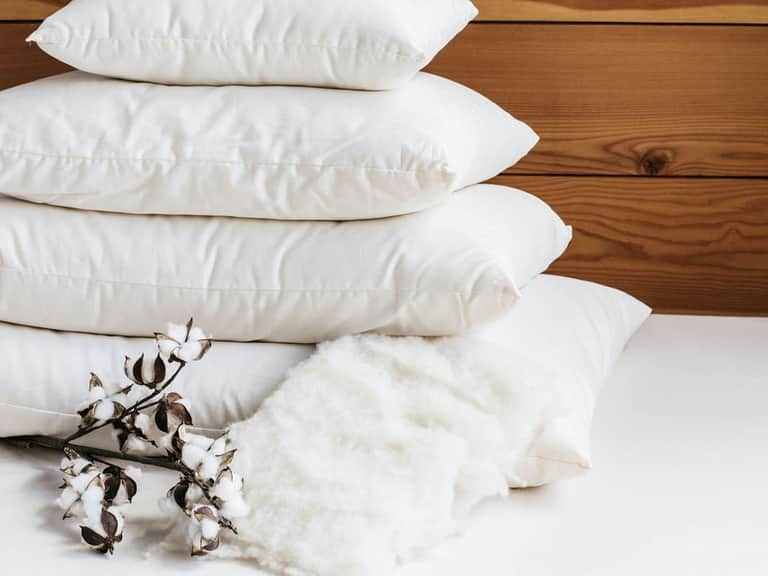
Certified Organic Wool Bed Pillows combine certified organic wool with a supportive pillow format. Wool fill can adjust to pressure and offer cushioning for the head and neck, while its breathable structure may help reduce heat buildup during sleep. Certification indicates that the wool meets specified organic production standards, subject to the certifier’s requirements.
Wool pillows are relevant to people evaluating natural bedding materials and organic mattresses because their fill differs from synthetic fibers and many feather options. Wool can absorb and release moisture vapor, which may help manage humidity around the sleeper. The pillow’s comfort and support also depend on its fill amount, construction, and cover fabric.
When assessing Certified Organic Wool Bed Pillows, consider the pillow dimensions, loft, firmness, cover composition, and care instructions. These characteristics influence sleeping position compatibility and maintenance. Some wool products require airing or specialist cleaning rather than machine washing, so checking the manufacturer’s guidance helps preserve the fill and maintain the pillow’s intended shape.
Organic bedding choices may also include sheets and organic crib mattresses, but materials and certifications vary by product. Wool’s animal origin makes it unsuitable for strictly vegan bedding, even when organically certified. Comparing fiber sources, processing standards, and care needs can clarify how wool pillows fit into a broader bedding setup.
 Bedding